Seed #2: Working Together
“Two caribou with its horns entangled, struggling to free themselves is how I see two cultures colliding. Western cultures and Indigenous cultures. They have to learn to work together to get untangled.”
- Ryan Kyikavichik (RV Ambassador)
This month's SEED is “Work Together,” and there are so many different ways to talk about it.
If you are new to the Reconnection Vision: our Seeds are not instructions, rather they are offerings. Our Seeds represent many different paths of Reconnection that each of us are responsible for defining in our own lives.
The best way I know how to do this is through storytelling. I am going to talk about the Yukon First Nations Climate Action Fellowship, which is now known as the Reconnection Vision.

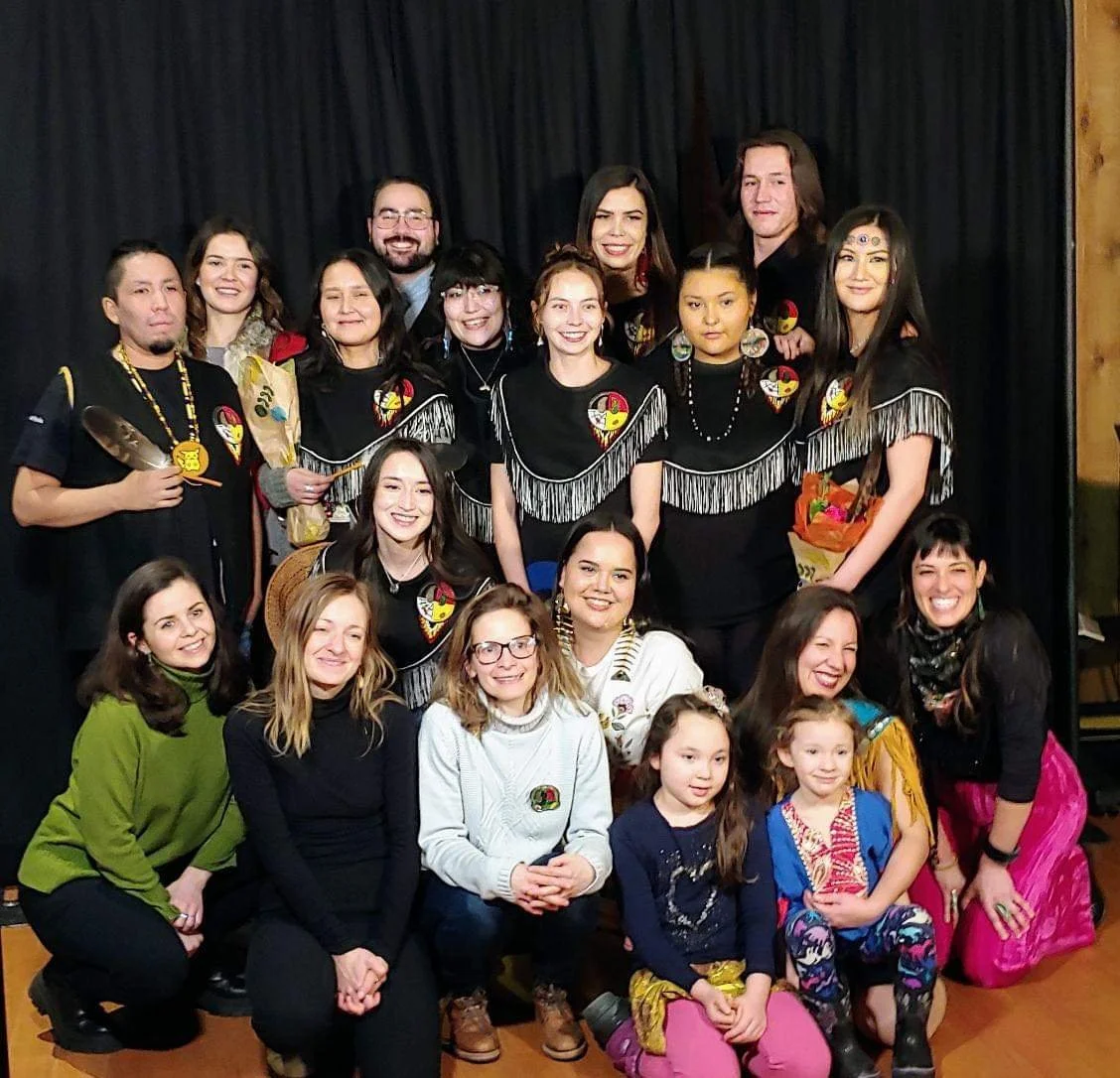
Beginning as the Yukon First Nations Climate Action Fellowship in 2021, there were 13 of us Indigenous youth that were tasked to come up with a “Yukon First Nations Climate Action Vision and Action Plan (RVAP)” for our leadership and communities. 13 youth who came from all over the Yukon — Old Crow, Dawson City, Mayo, Haines Junction, Ross River, Carmacks, Whitehorse, Teslin, Carcross, and Atlin. Our ages, our jobs, backgrounds, childhoods, and life experiences were all so different.
All of these different opinions and backgrounds had to communicate and gather together to make this document.
If you have the time, I suggest checking out our video made by Jared Dulac, seen below, where you can hear some of these voices.
Many eyes were on us and we had a very important job to do. This felt like a lot of pressure on us - at first it was pressure on us as a whole group, but as we grew and graduated from the program, I think we felt a lot of pressure individually. We didn’t want to let those around us down, so we had to look like we had our ducks in a row, meaning we felt pressure to look like this perfect group that always got along and were all healed.
I am here to tell you that not one single group of people in this world works perfectly together all the time.
One thing that always amazed me about this group and our work is that there was, and is, a place for everyone. I used to be so self conscious about what skills I was lacking in because someone in the group was excelling in that certain area, and I wondered where I would fit in. We had our Elders and mentors watching us and getting to know who we were, so they could gently remind us of who we are.
Because I was talking to my fellows, my mentors and Elders, I felt safe and heard and I was able to receive advice and hear similar stories. I was becoming more confident in who I was and where I could fit in with the rest of the group. I realized that we all weren’t supposed to be the same, we were all chosen for our own reasons.
Within our group, we all found our places.
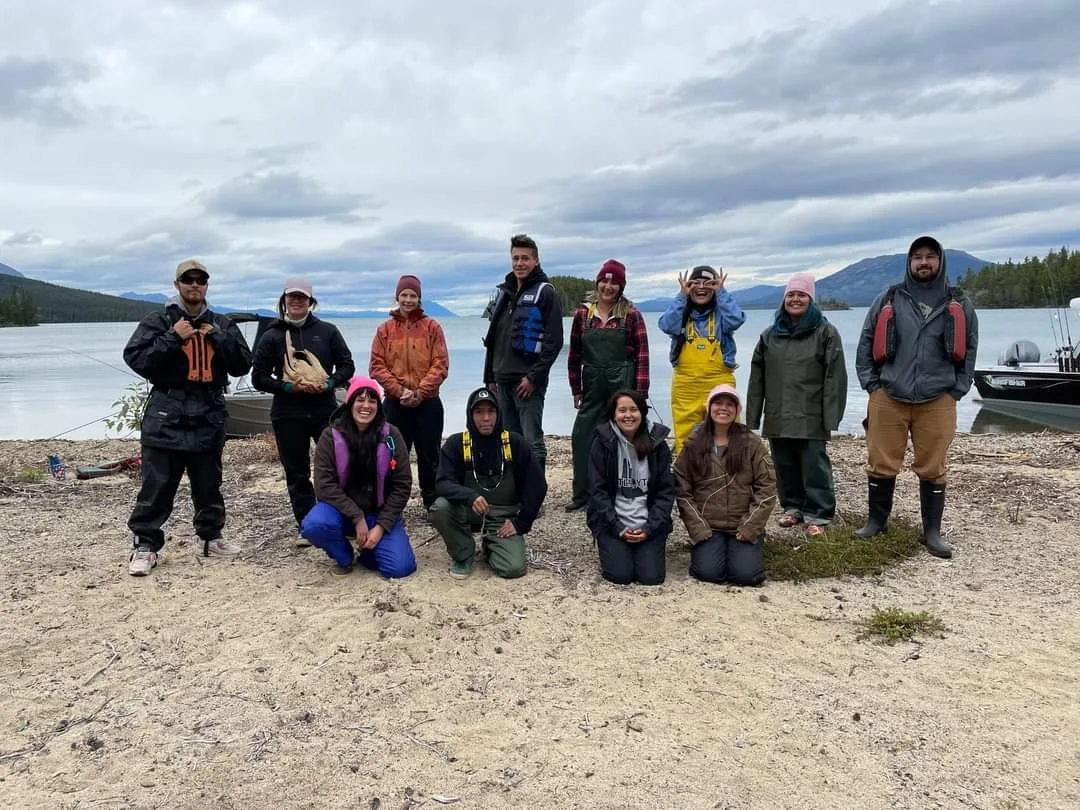
If you’ve ever had to organize people together, you know there is a lot going on behind the scenes: someone is asking to only show up for half of the gathering, someone can’t go because of work, or they’re on another trip, someone has allergies so the catering needs to be changed, not everyone is confirming their attendance so you can’t quite give a number to the caterers, someone is having a bad day, someone had a family member pass away, there are cultural protocols and not everyone follows the same traditional law —there is just so much going on in our worlds - and that’s okay!
We need to remind ourselves: What are we doing this work for? For who? We have to put our egos aside so we can get this work done for the greater good.
We did have a lot of support, especially from our Steering Committee (I haven’t told them yet but I am nicknaming them the Founding Mothers; Jodi Gustafson, Jenni Matchett and Jocelyn Joe-Strack) and what felt like a whole team of people that had to chase us around.
Some of us had our moments where we needed to take a step back to focus on our own healing journeys, and we could do so because others were willing to step up and do more work. If any of you are reading this, I am incredibly grateful for everything you have done to help us along our journey. Yes it wasn’t perfect and there were a lot of ups and downs but look at what we created because we worked together!
We spent a lot of time together, in person and virtually. At the beginning of our journey, we were mostly strangers but because we spent so much time together we had this amazing opportunity to learn about not only each other, but ourselves as well. We spent a lot of time learning and being in ceremony, we spent even more time sitting in circle and checking in with each other. It quickly became my favorite time, our Monday virtual campfires.
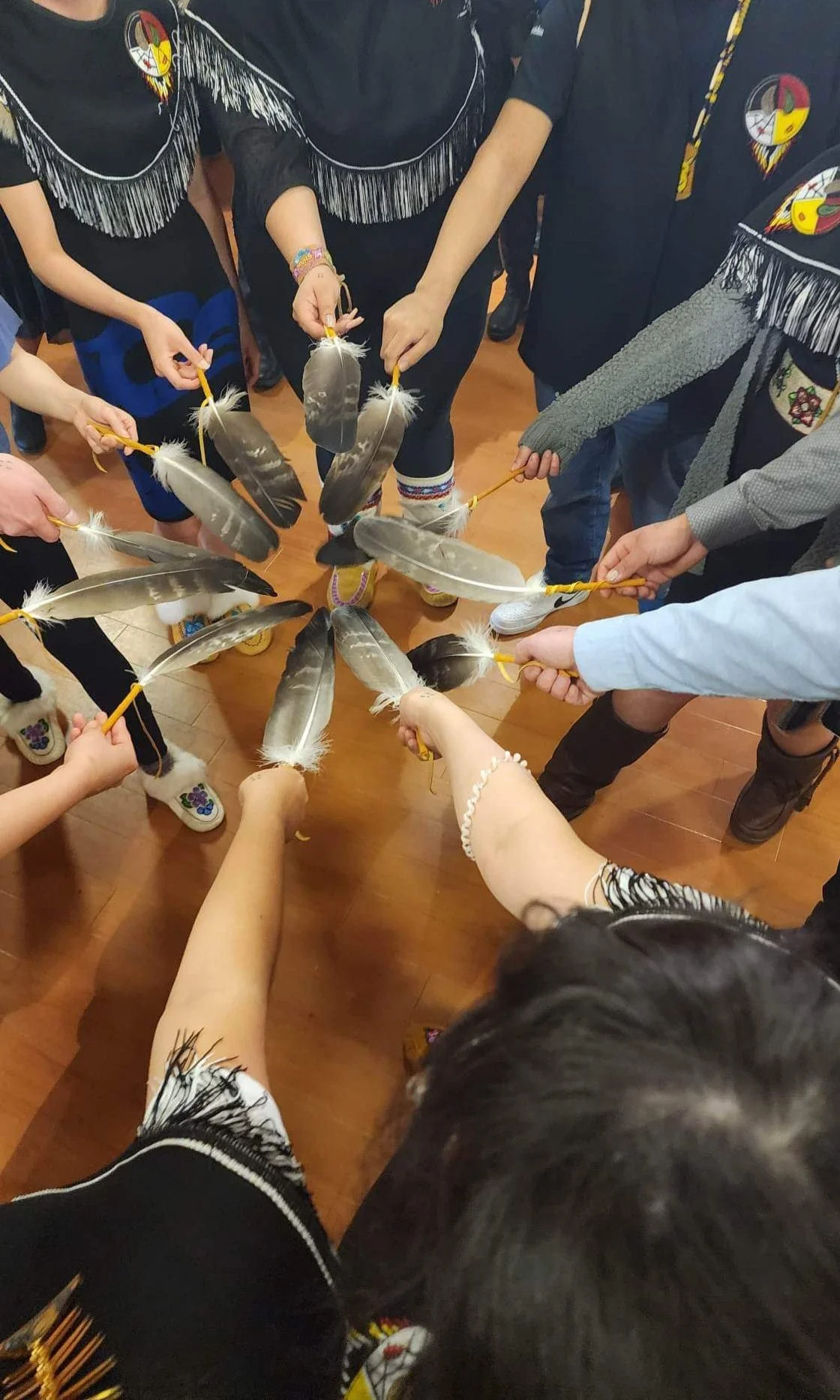
We would always start our circle with a song, prayer, poem or story and then we would check in and be transparent about our struggles. I’ve had so many problems be solved by my fellow ambassadors and our mentors, because I had this safe space to speak out loud. Even to this day when we have our meetings with the Comms Team, we have our check in time where we can be open and talk about our lives. When I join any meeting outside of this work, I do think about our circles and how much it helped us grow together and learn to understand each other.
How can we normalize working and learning in circle?
Like a family, we are not perfect but we all have love for each other and will always be in each other's lives. If any of the ambassadors are reading this, I am here and will always be here for you! Ihkets'idlī.
We have been able to continue our work in our own ways because we had people believe in us, we had our leaders stepping up to support us, our community was holding us up, and we were done being tokenized as young Indigenous people.
For any of our Yukon First Nation Leaders reading this, I want to circle back to a previous blog I wrote. It’s an open letter to our YFN Leaders to remind us all of Together Today for our Children Tomorrow and how they can support their youth.
Here are some questions I want to leave you with:
How can we create spaces where everyone feels heard, valued, and safe to speak?
How do we practice listening with humility, and becoming more teachable?
What does it mean to move at the pace of trust, instead of the pace of urgency?
What does it mean to be flexible and compassionate with those that you work with?
Who is supporting you in your work, and how can we support others?
Calls to Action: (for those wondering what they can do)
Build relationships before projects.
Lead with respect and humility.
Make time for ceremony, reflection, and honest conversation.
Choose collaboration over competition.
Learn the history of the land, the Peoples, and the Final Agreements.
Support community wellness as part of climate action.
Be courageous enough to listen deeply and speak kindly.
Reconnect with culture, language, Elders, and the land.
Work together to create a better tomorrow for future generations.
Working in big groups over the past 5 years has taught me a lot. Not everyone is going to agree with each other, but being able to have the safe spaces to have honest conversations can be life changing.
Sometimes the most important work is simply showing up for each other.
I’ve also learned that good leadership includes listening, supporting, and stepping back when needed, and working together in a good way requires patience, flexibility, and compassion.
Real collaboration means sharing responsibility.
Learn more about our Seed Teachings here.