With the Land by Peter Greenland
We have asked Indigenous youth across the Yukon, NWT and Northern BC to use our RV Seeds as inspiration as RV Guest Blog Writers. Peter is writing about Seed #5: Learning from the Land as his blog theme. If you are interested in sharing your story, please apply here.
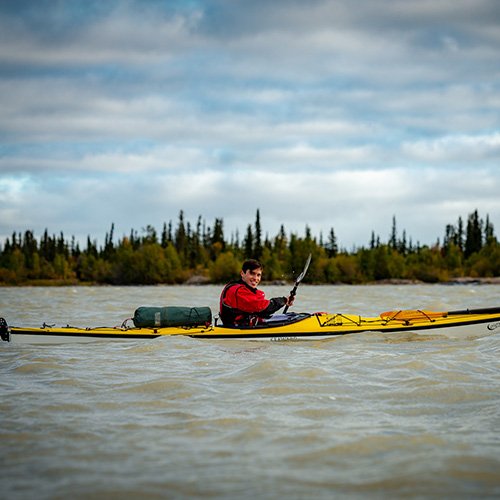
Drin Gwinzii, My name is Peter Greenland. My dad's name is Peter Greenland and my jiju is Elizabeth Greenland. I was born in Inuvik, and my grandparents are Elizabeth Greenland and Alex Moses Greenland.
I am Gwich’in.
I have been working in the outdoor industry for 10 years after graduating Algonquin College's outdoor adventure program. Since my first contract as a guide in 2015 I have been exploring ways to Indigenize outdoor adventure leadership. I am still learning and unlearning, and hope to share that adventure with you.
My log book will show you that from June 11th through to September 4th I will have spent 42 days on the land or in the water, and 18 days preparing for the land. That means out of 85 days I have spent 60 days either being on the land, preparing to be on the land, or de-prepping coming from the land.
I still have 11 more days before September is done and my season is completed, maybe.
I am an “Adventure Guide”, which means taking people to go on the land is my job. More recently, my scope of work has been almost exclusively taking Indigenous communities on the land.
I am no doubt very fortunate, however some days it feels more like a job than others.
Many people talk about the profound healing, connection, recreation, and whatever their experience may be on the land in such clear and textured manners.
Sometimes it’s not that though.
Sometimes it’s just another day, sometimes it’s a bad day that is wet, buggy and cold. If you’re lucky it feels meaningful, but other times you are just there.
Other times the land just scares you, and it feels like you’re not even supposed to be there.
Sometimes, even though we are told that the land is important and we know it deeply, when we are out there, we just don’t feel it.
Sometimes the only thing the land tells us, is how disconnected we are.
As a result there are many days that I wonder how different my life could’ve been had I not decided to pursue this path, and there are days I wish I had made different choices, like stick with an office job.
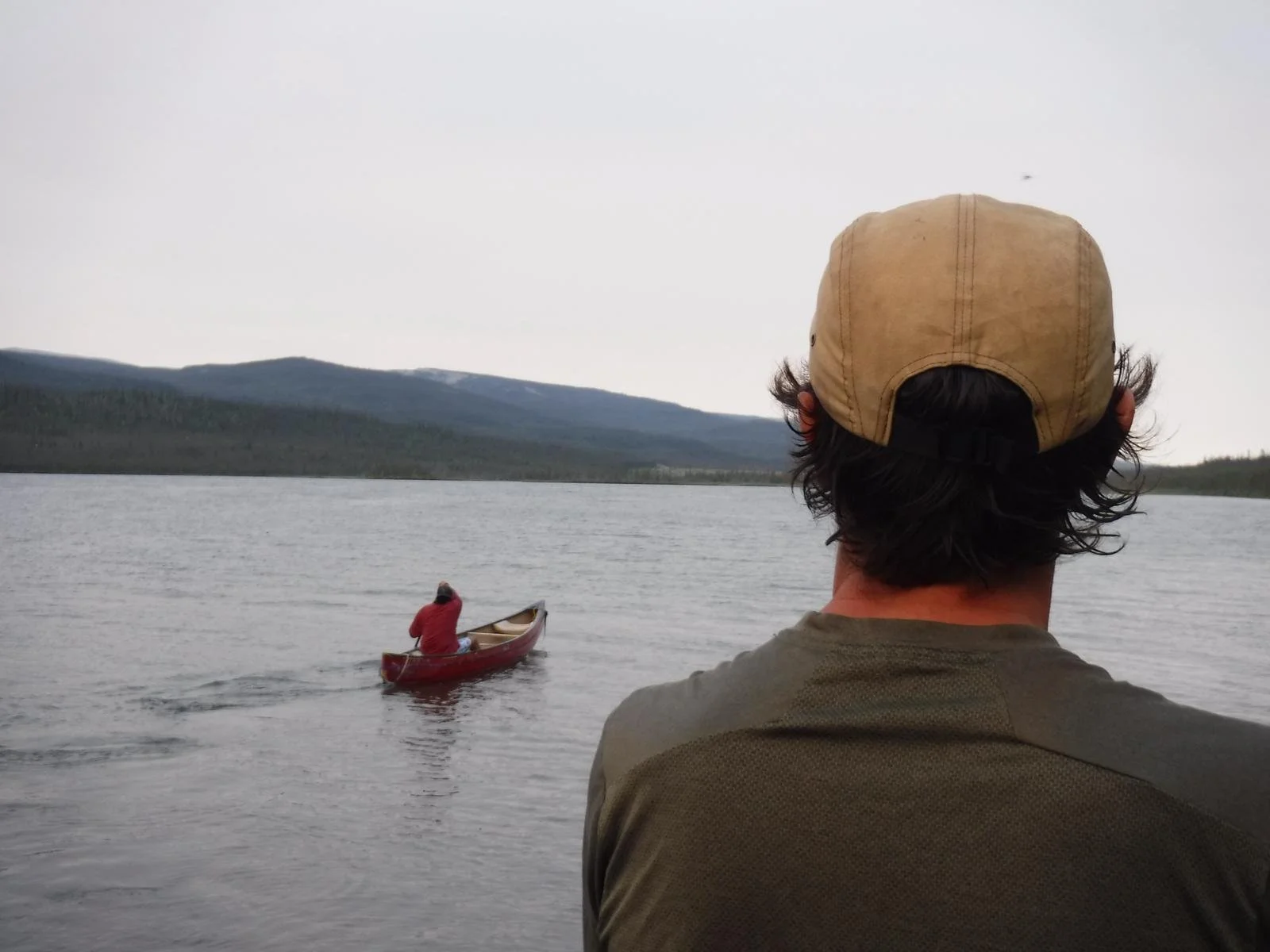
I also spend my days witnessing, and leading folks through similar experiences. In outdoor education we call these “stretch zones”, however in the context of adventure experiences in the indigenous community, this stretch can take the form of existential crises pushing us at times into the “panic zone”.
The tools, metrics and language that we use to analyze and process “experience” in the outdoor industry have been extremely useful in my journey, but have always seemed to fail to express or understand the complexities of our time, as community, on the land.
At least not in the ways that I needed as a youth to more deeply explore my own self realization that I needed in my life, and to develop the skills I need to support others through this process.
Serendipitously, even though this feels like the biggest challenge in my career, it time and time again proves to be the most rewarding as it has forced me to reenvision what it means to be on the land.
It has forced me to explore land-based experiences through an indigenous lens and philosophy to find the answers that I needed for my own personhood.
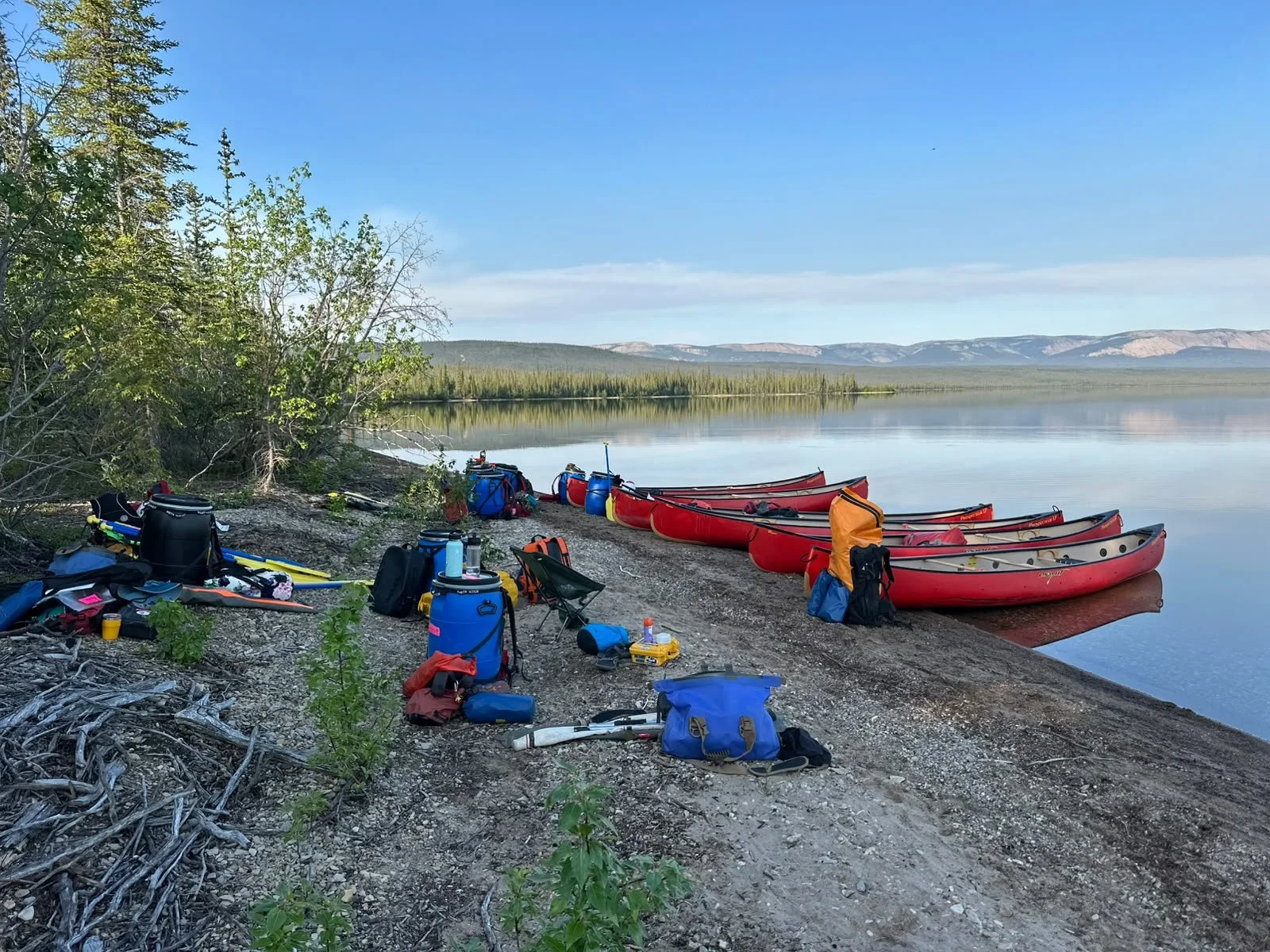
It is arguable, and probably true, that I first learned these perspectives through my own family experiences on the land and in conversation about the land and culture.
My dad was skilled on the land, so were my uncles and aunties. I was fortunate to have spent enough time with my Jiju (Grandmother) long enough to retain some fraction of her wisdom. This planted the seeds, to work on the land, for language, and for time with community that facilitated a pathway for me to explore myself and the world around me.
Throughout this journey I have learned that deep paradigm shifts have been forced upon us by colonialism. We learn that we go out “on” the land, that our communities and the bush are two separate places, that land-based skills are purely technical performances, and that the “wilderness” is a thing.
Throughout my experience, time with elders and knowledge holders, and leadership I provide for youth I have come to understand that what is actually happening is very different.
We have always been on the land.
Our communities are built upon it, and the ultimate land-based skills are social and emotional rather than physical and technical - the land is alive rather than an objective wilderness.
The best way to summarize this is that everything is built upon relationships, and everything is sacred.
When I feel disconnected on the land, or unable to navigate it carefully, I’ve found the most productive way to approach myself is to ask what the RELATIONSHIP needs.
Like any relationship it requires time, vulnerability, willingness to try for a better future, healthy habits, and perspective.
The intention with which I aim to go on the land with, is to be “with” the land rather than on it and to help youth and community get to know the land as a being rather than a place.
This is the way I’ve made sense of things, and perhaps it will help you, as it has helped me.
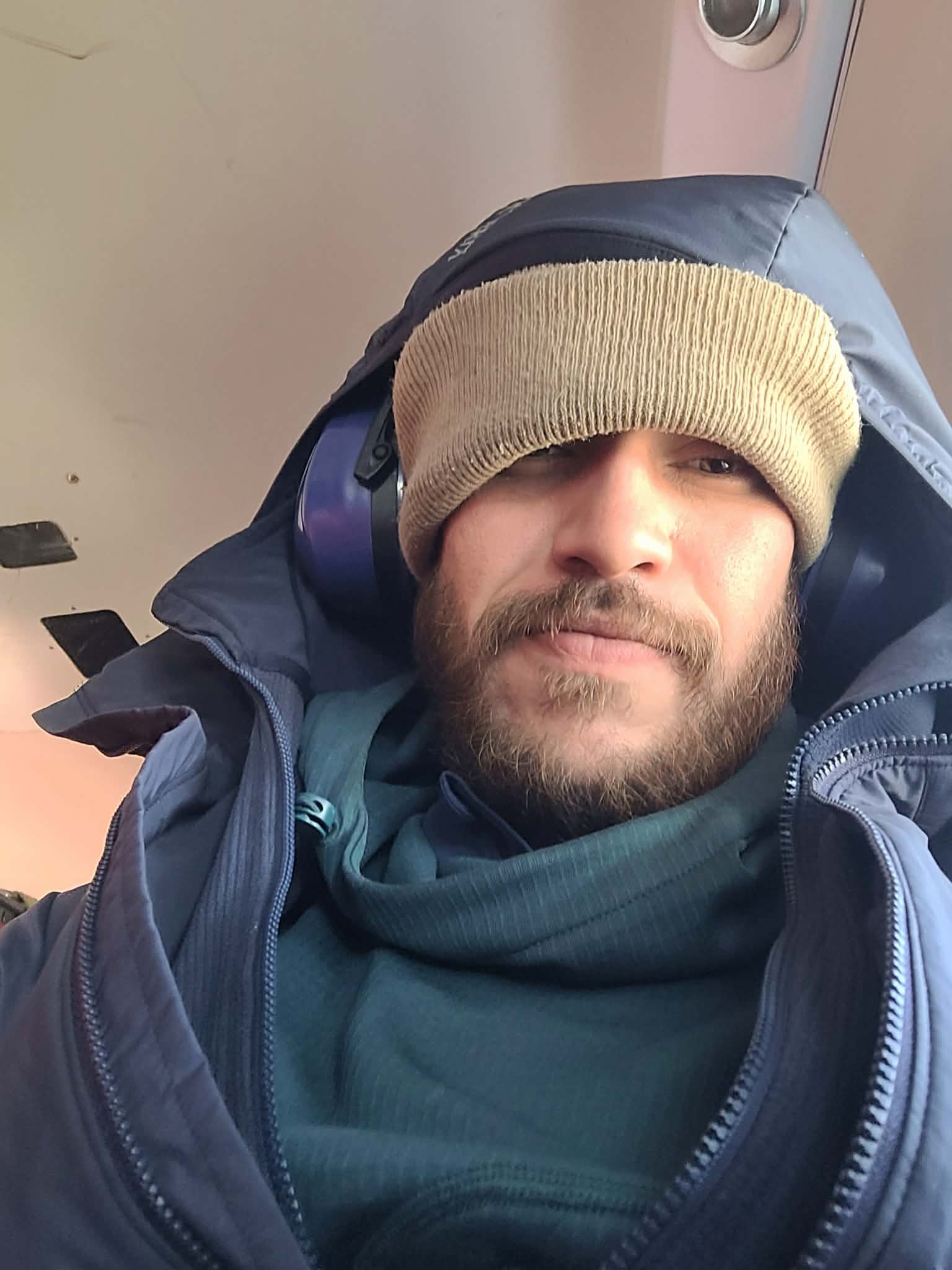
Nidivee Goozu (good luck on your Journey)
Peter
