My name is Geehaadastee/Shauna Yeomans-Lindstrom.
I belong to the Yanyeidi clan of the Eagle Moiety, and I belong to the Taku River Watershed. My mother is Denise Yeomans, my maternal grandmother is Ali Shirley Carlick, and my great-grandmother on my maternal side is Helen Ward. My father is Ralph Lindstrom, his mother was Shirley (Johns) Lindstrom, and my great-grandmother was Anges Johns. My maternal grandfather was Arthur Yeomans, from Old Masset, Haida Gwaii, and my paternal grandfather was Clare Allen Lindstrom.
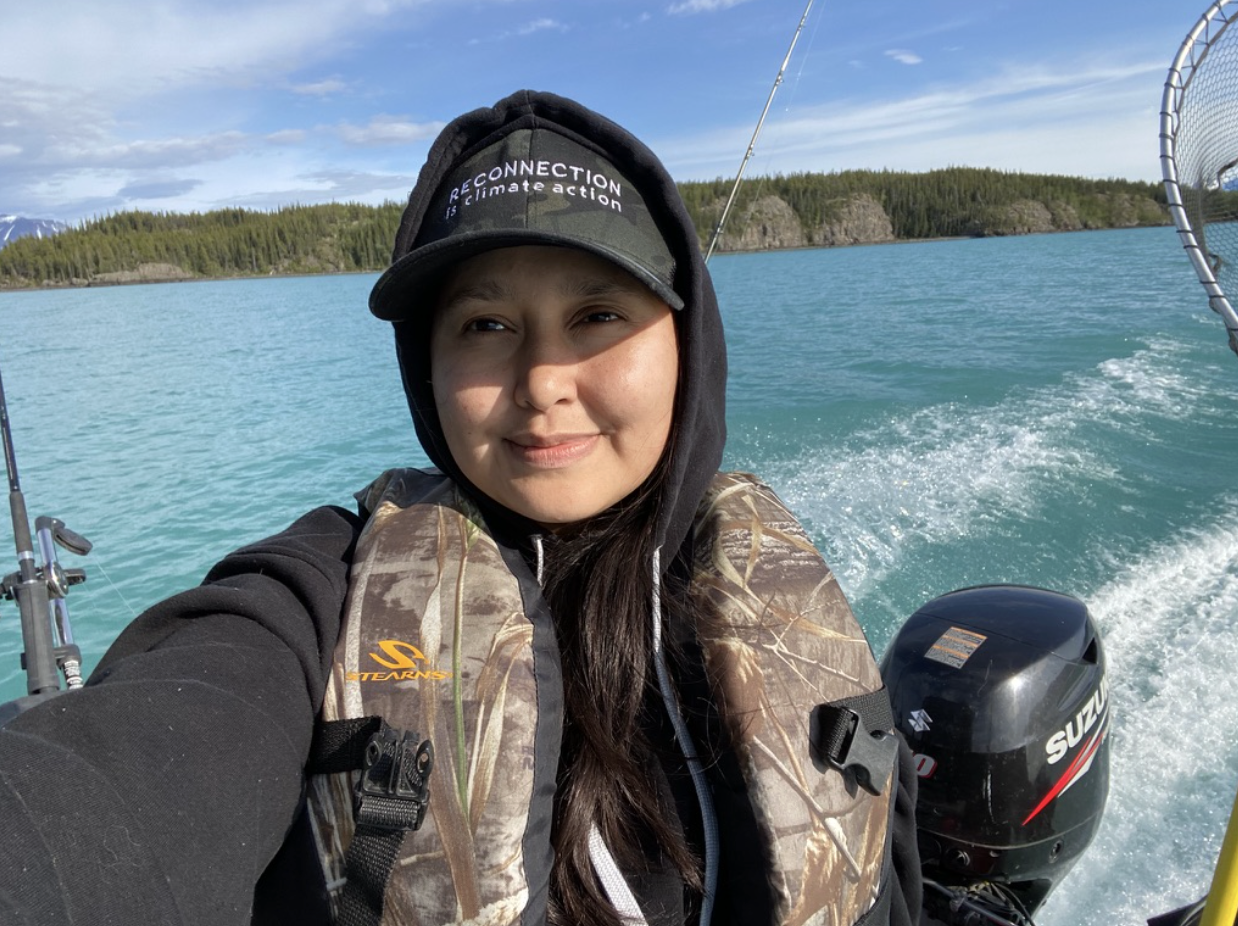
My journey with the Reconnection Fellowship began five years ago at an AFN Climate Gathering in Whitehorse, Yukon. It took place shortly after Old Crow became the first community to declare a state of emergency regarding climate change. Permafrost was thawing, and lakes around their homelands were beginning to disappear.
The first day of the gathering was intentionally set aside for youth aged 18-35, and we started the day with a prayer and circle… it was off to a great start. During the opening circle, this was the first time I met Ryan and Kadrienne, who would later become some of my most influential teachers in the Fellowship.
I remember the vulnerable and honest conversations, and I appreciate the guidance from our mentors as they helped guide us through the day, and then helped us finalize a declaration to present to the Yukon chiefs the following day.
We presented our declaration the following day and received a standing ovation. The declaration, the agreement and backing from the Chiefs allowed CYFN/AFN to start fundraising to develop what we now know as our first Yukon First Nation Climate Action Fellowship cohort.
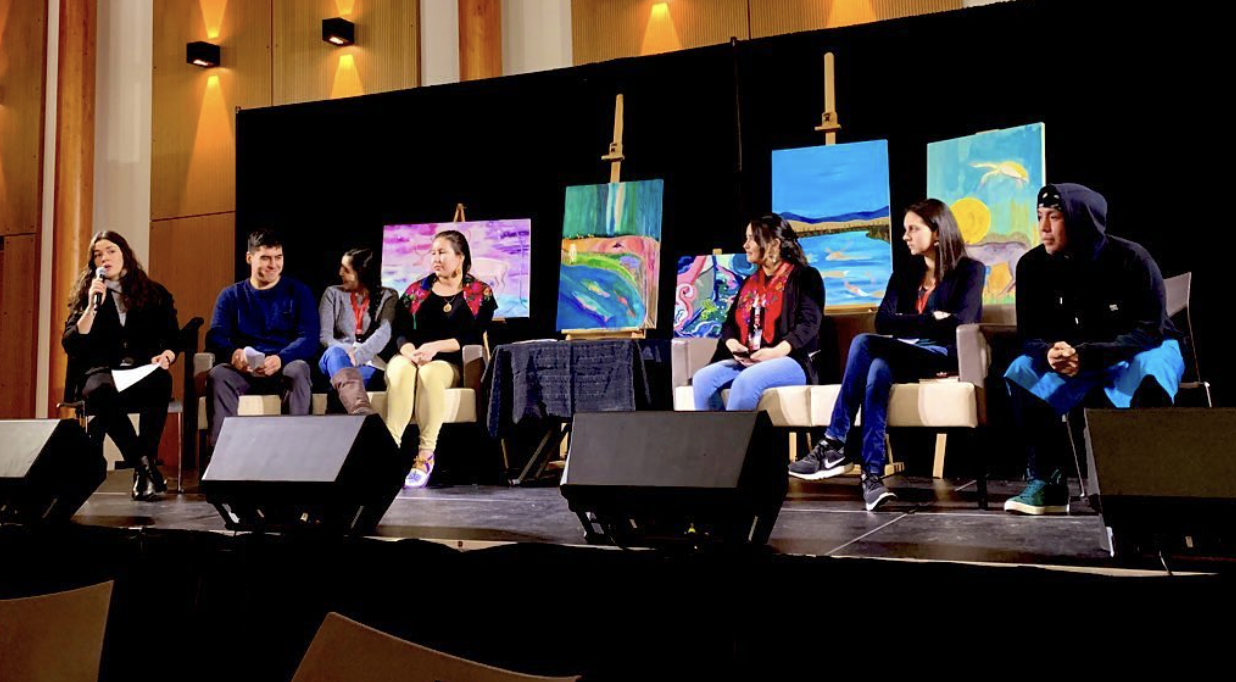
February 2019, AFN Yukon Climate Gathering, Youth Panel
Another notable chapter within my reconnection journey began in 2016, when I moved back home from living in Whitehorse. At the time, I was going to school for Early Childhood Education. While studying for ECE, I was fascinated with learning about brain development and psychology. I felt like I was learning the basic ingredients and recipes for creating a human and shaping a person’s chances in life.… and then, like dominoes falling, so many things started to make sense. I began questioning and piecing together my own history as an Indigenous woman. I remember diving deep into Indigenous history, rigorously buying and reading materials on my own, to continue making sense of the world I grew up in.
After a frustrating year and a half, I found myself back home visiting my grandma, and decided to spend a few extra days to help with a moose hide tanning workshop. During that time, I saw a job posting for an auxiliary land guardian. I applied and I was hired soon after.
Looking back, I feel like I was running away from a lot: a colonial institution, the hustle and bustle, and the grief that was compounding from lived experiences to recent realizations of the deeply rooted impacts of colonization.
Since moving home over a decade ago, I have become familiar with political and colonial structures surrounding land and wildlife decision-making and I have realized another hard truth: Indigenous peoples are still operating within an inequitable playing field when it comes to ‘co-management’ or whatever new technical term they come up with. When I thought early childhood education had already brought forward heavy realizations, I wasn’t aware of how much more would come to light during my time as a land guardian. Through that work I learned more about our conservation legacy that our ancestors had laid out before us.
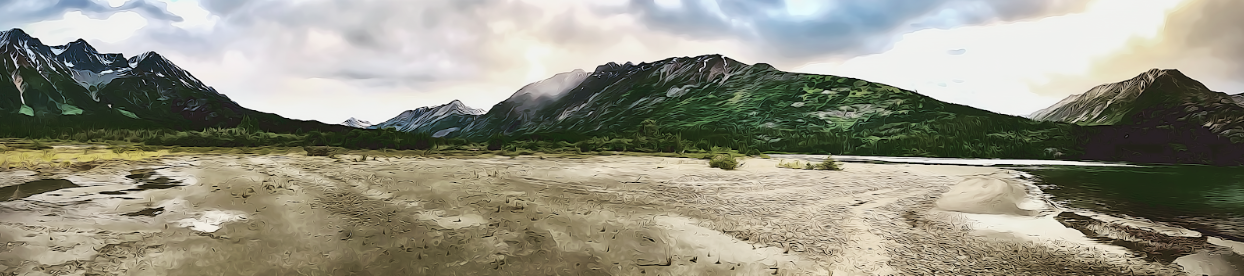
Sít’ Héeni, Áa Tlein
As they say, indigenous youth walk in two worlds.
In one moccasin, it felt like I was picking up more grief by realizing colonization is still happening, except with more polite language. However, in the other moccasin, I was able to witness and experience incredible things, such as reconnecting with pristine areas of our watershed that generations before me have worked so hard to protect.
I admire the magic of networking and collaborative efforts. My favourite example is the Indigenous Leadership Initiative, Land Needs Guardians Network, and how that advocacy led to even bigger initiatives, such as the Indigenous Protected and Conserved Areas (IPCAs).
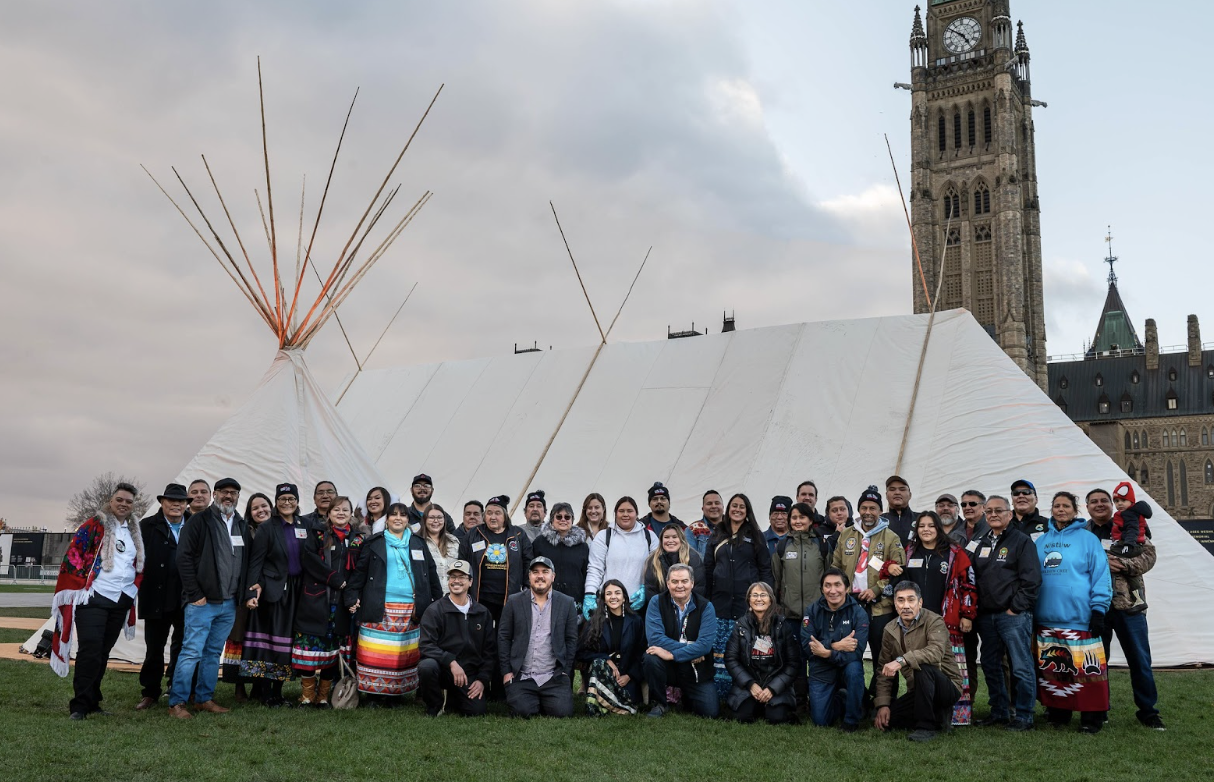
November 1, 2023, the Indigenous Leadership Initiative (ILI) and Senator Michèle Audette hosted a major gathering to celebrate Indigenous Guardians on Parliament Hill in Ottawa, featuring a 100-foot-long Innu shaputuan (traditional gathering tent) erected on the front lawn.
There were moments throughout the fellowship that made me reflect internally on some of my own personal challenges and life, discovering how truly disconnected from myself I was. At the beginning of our fellowship, we dedicated a significant amount of time to artistic expression, such as painting, beading, and even poetry.
Over time, I began measuring my own wellness and mindfulness by the amount of time I dedicated to self-expression.
Whether it be creating art or expressing myself through writing. How much time do we spend consuming, versus creating and expressing our own feelings and needs? I was given a safe space to start exploring these feelings and unpacking these hard truths that so many of us are confronting. From intergenerational trauma to ongoing issues that are happening politically and globally, there are many obstacles that Indigenous youth are facing.
Too often, expectations are cast upon our youth when they are rarely given the time, tools, and opportunity to heal and connect with their whole selves, family, community, culture, and values.
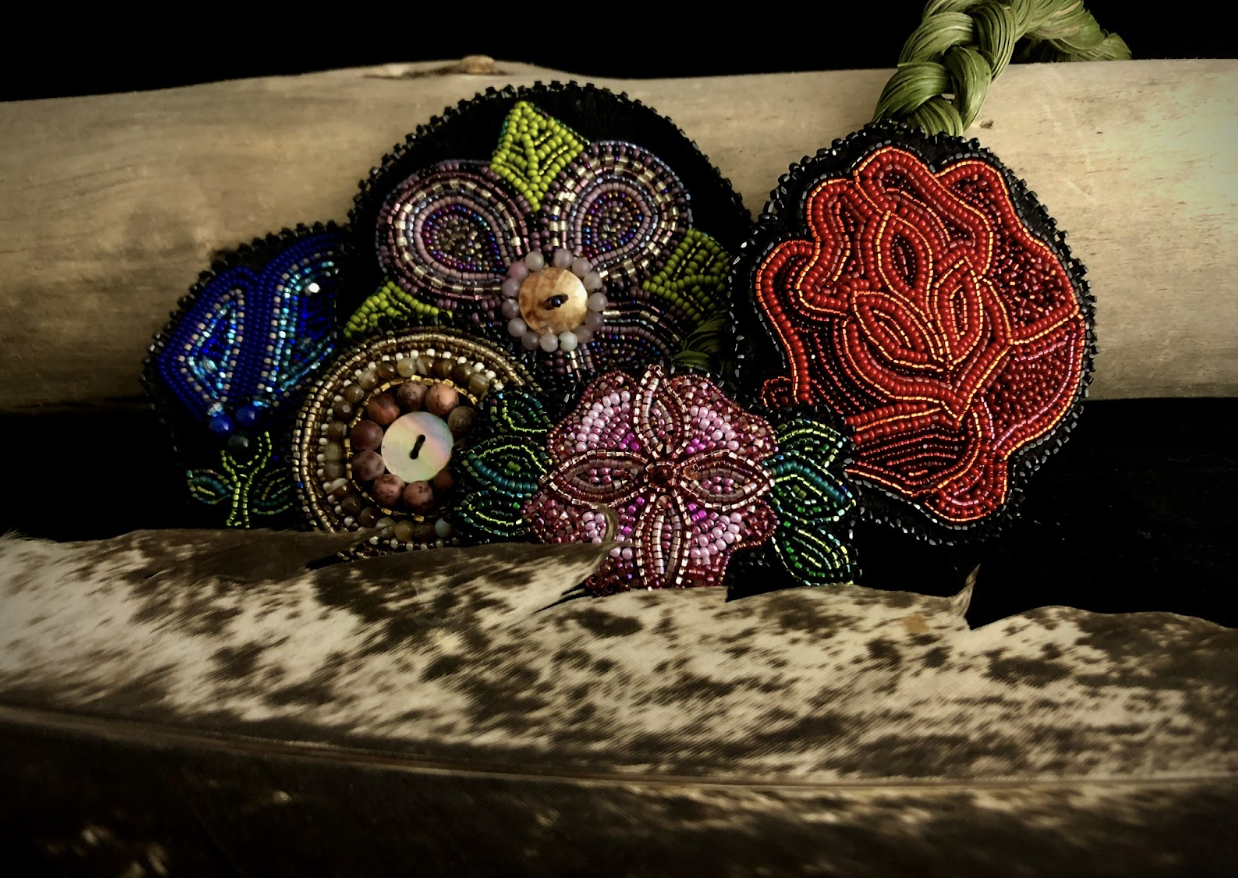
“I think that one’s art is a growth inside one. I do not think one can explain growth. It is silent and subtle. One does not keep digging up a plant to see how it grows.” – Emily Carr
My time and experience in this fellowship have gifted me the space and tools to grow and feel more confident in where and how I choose to spend my time and energy.
I also see the importance of creating space and opportunities for youth. I remember having this lingering overwhelming feeling, of not having enough capacity to do it all—today I feel honoured to know and witness our small group of Fellows continue their work and life journey. It is incredible to see their passion, using their voice to advocate for their needs and visions for language, wellness, housing, food, energy, mining, economies, governance and education.
Fast forward to today, I get to weave the Reconnection Philosophy into my work with T’akhu Á Tlén Conservancy (TAC), my nation's non-profit conservation organization. I get to create land-based programming for our community and youth, supporting reconnection to our traditional territory, which we will continue to protect for future generations.
As a future ancestor, I have trust and faith in our youth and future generations. I know that experiences like our fellowship and future cohorts will strengthen Indigenous-led conservation, and we can continue to create ripple effects within our own lives, communities, nations and world.