Seed #3: Re-educate
Redefining what success looks like.
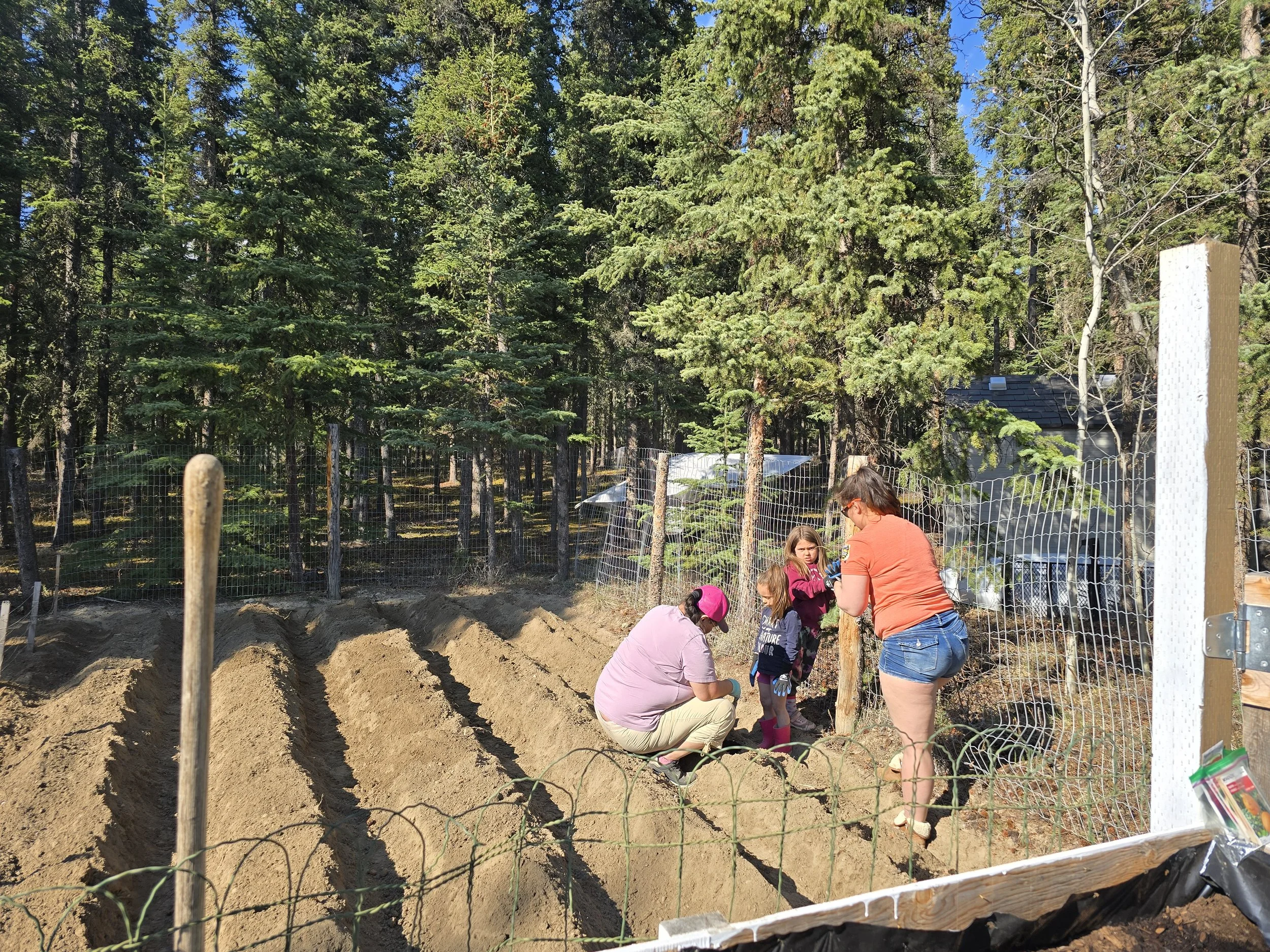
This month’s seed is Re-Educate.
The Reconnection Vision reminds us that learning new ways of being is not only for children. It is for every generation. This seed is not only for schools, it’s for all of us. Parents, educators, governments, organizations, and communities are all being invited to learn again.
Some of the challenges we face today (climate change, mental health crises, social isolation and disconnection) cannot be solved by the same worldview that created them. If we are serious about creating a future where people live in good relationship with themselves, each other and the Land, then we have to begin by re-educating ourselves about what education is for.
Imagine a kindergarten classroom where emotional literacy is considered as important as literacy itself!
Imagine grade 4 students learning Language through restoring salmon habitat!
Imagine students learning conflict resolution, communication and wellness practices alongside science and social studies!
Imagine high school graduates leaving school with confidence in who they are, where they come from, how to take care of themselves and how to contribute to their communities!
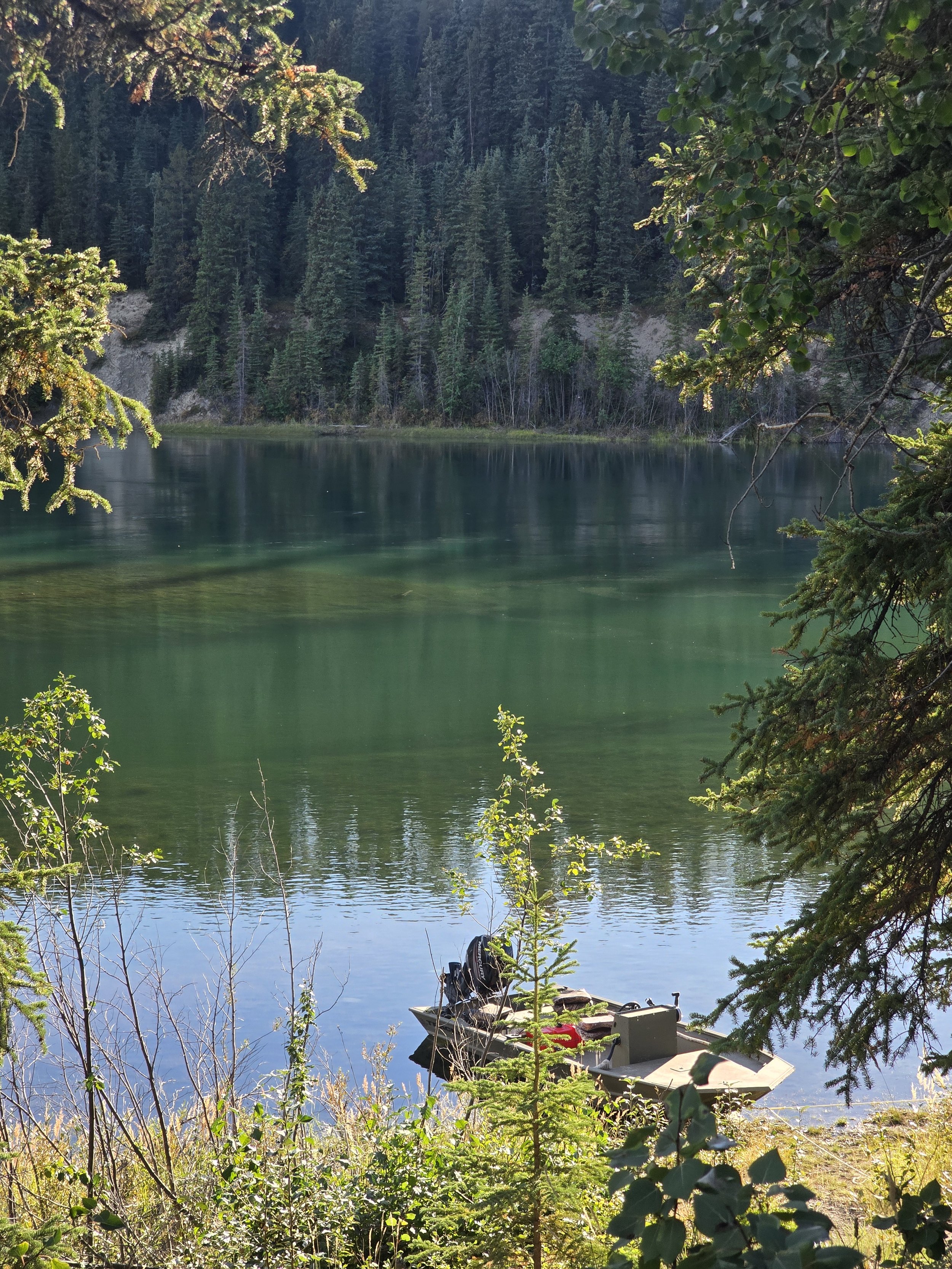
Everyone is both a teacher and a learner. We are always learning! When learning isn’t confined to classrooms, education happens through relationship.
Children learn from parents, grandparents, aunts & uncles, Elders, hunters, artists, language speakers and the Land itself.
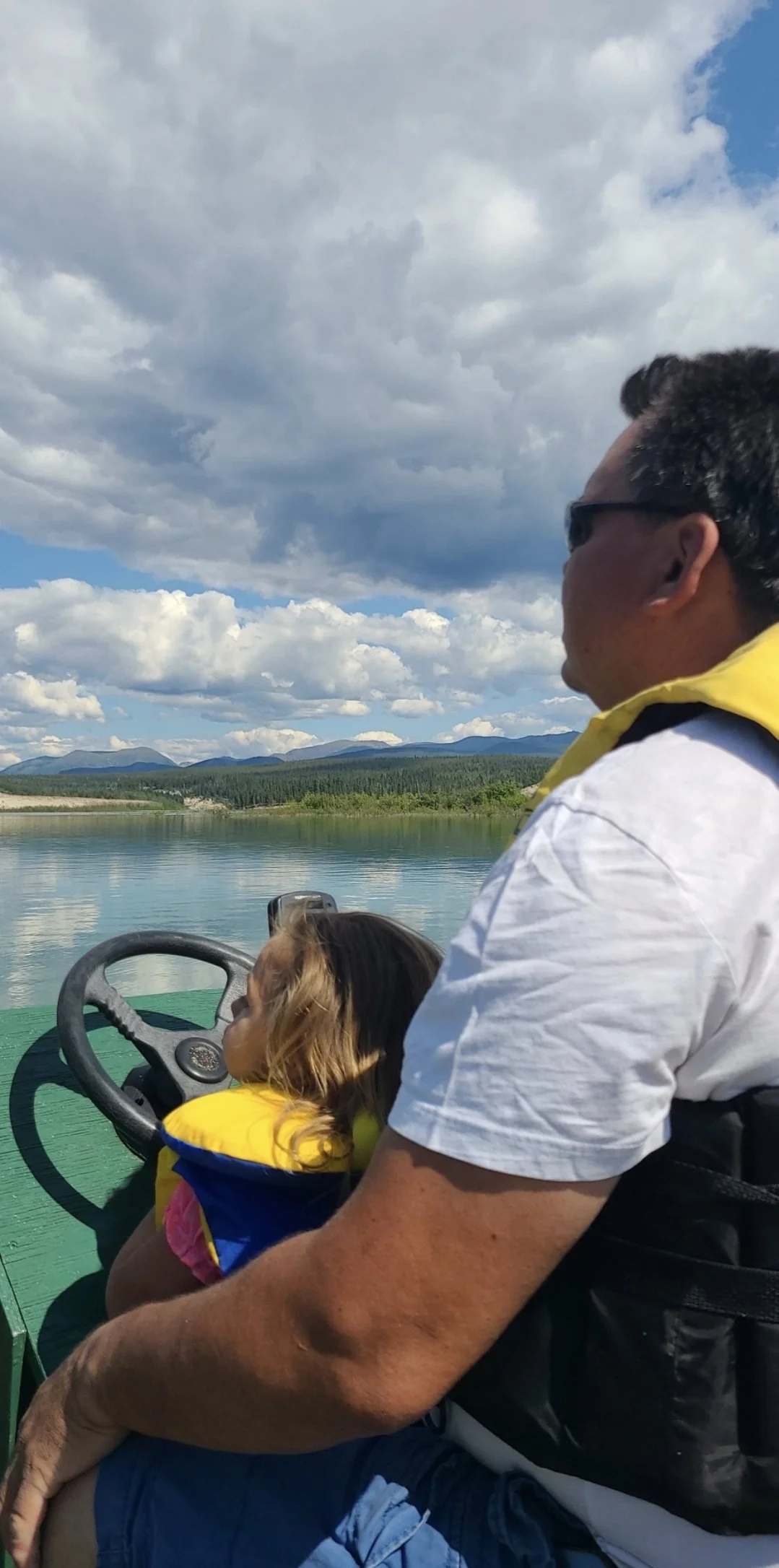
A reconnected education system would expand beyond school walls.
Students would spend more time on the Land. They would participate in community projects. They would learn local languages, histories and stories. They would work alongside Elders and mentors (professional Aunties and Uncles, what most of us Ambassadors want to be). They would have opportunities to make mistakes and learn through experience.
Thinking about our education system today, a bone I want to pick is with the grading system. When grades become the primary measure of success, learning can become associated with fear, comparison and judgement. But growth does not happen in environments where people feel constantly evaluated.
Growth happens when people feel safe.
I did a program a few years ago here in the Yukon where we had the opportunity to learn more about Yukon First Nations art. We started with 8 young Indigenous women in the class and only finished the course with 2 of us.
A big hindrance for many was the grading system — why are we being graded on traditional art?
My one classmate that finished the course with me was having an incredibly hard time with the grading system, she didn’t want to hand in her final project and seemed to lose interest in art for a while. The grading system isn’t necessary for everything, and frankly, I think it’s a big barrier for a lot of students.
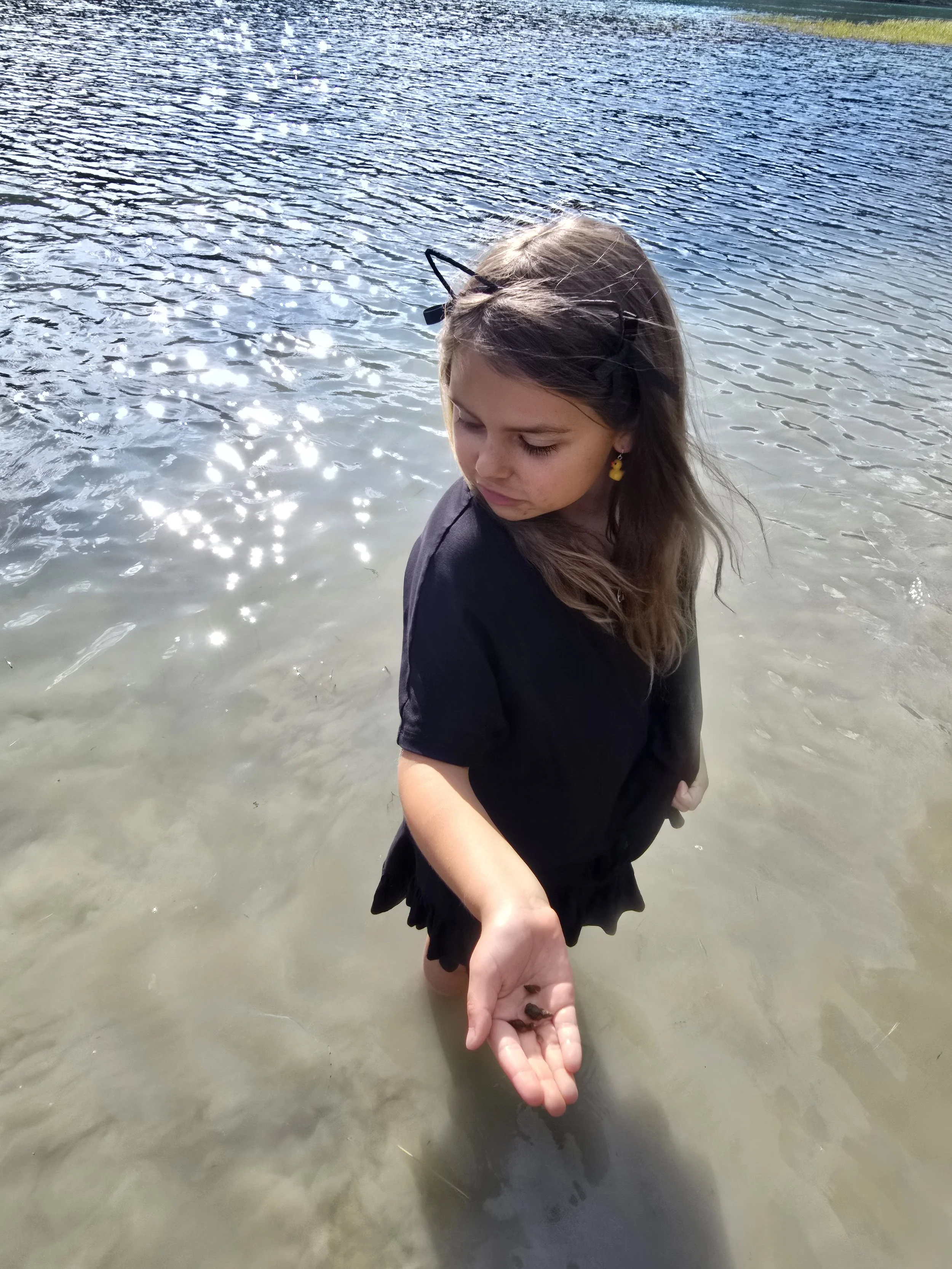
A reconnected education system would broaden what “success” looks like.
Success is often defined by individual achievement, competition and future employment. Yet it has also left many young people disconnected from themselves.
Across our communities we see rising anxiety, loneliness, depression and uncertainty. Many students graduate knowing how to solve equations and write essays, but lack the tools to deal with grief, conflict, relationships, purpose or emotional competency. Also here in the Yukon, many of our communities don’t have a high school, so the young student has to move away from their family and community. Now they are in a totally different space, and little to none of the same cultural teachings they would get back home.
When education focuses mostly on what is measurable, we risk neglecting the parts of ourselves that matter the most.
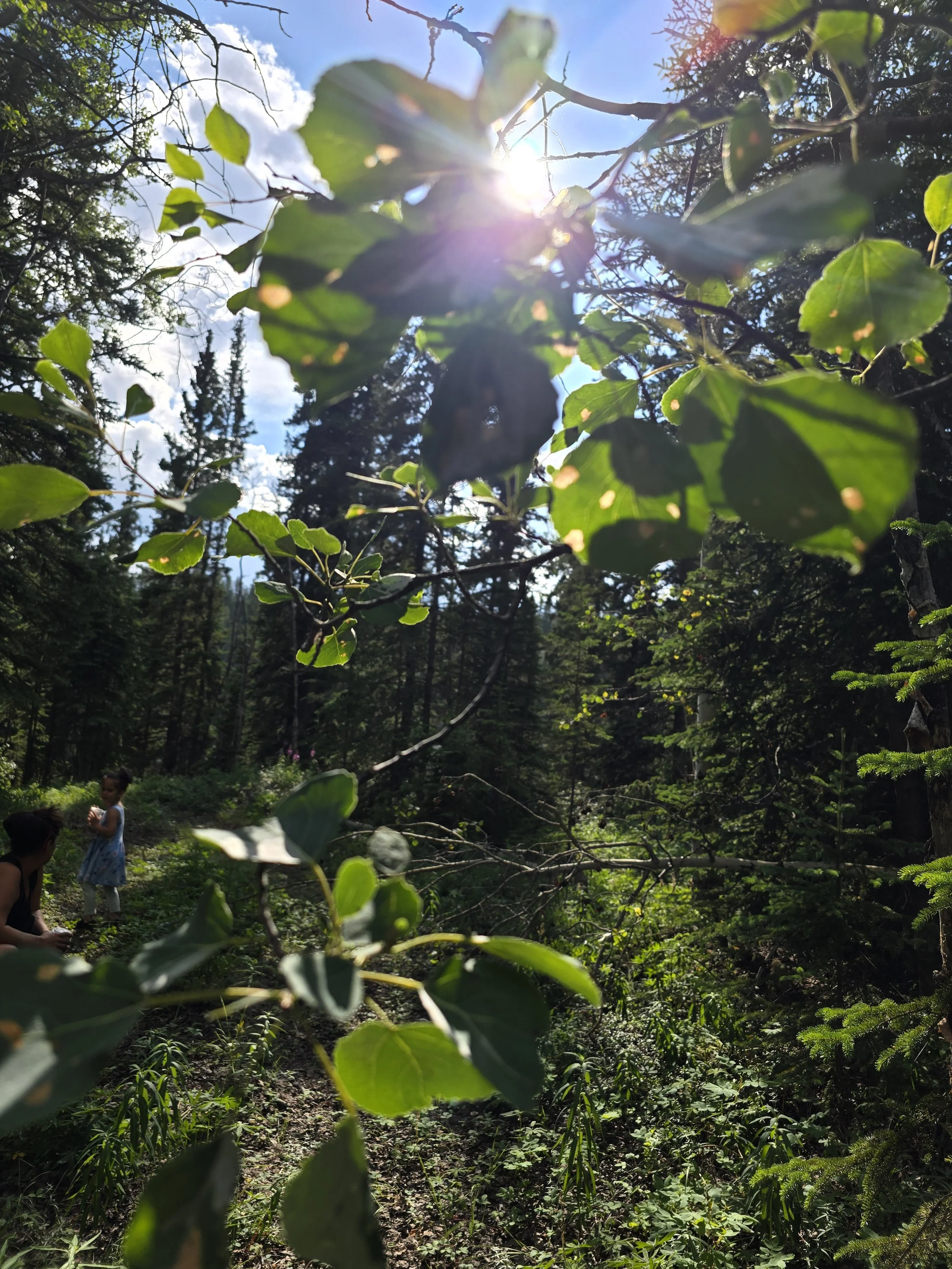
The future needs young people who are resilient, compassionate, culturally grounded, emotionally aware and deeply connected to the communities and Land they belong to. The future needs whole people.
If we can reframe learning around connection, growth and wholeness, we will realize that education itself can become an act of healing.
I wanted to give a shout-out to a couple of our RV Ambassadors!
Jen Mierau has been working hard on creating a framework for facilitating workshops and educational spaces aligned with the Reconnection Vision! Check out our social media post for a bit more information on the Facilitation Guide.
Skaydu.û Jules has been dedicated to learning her language and making sure we keep it involved within the RV - because it is so so important! This is a very important topic that needs to be talked about, but I unfortunately am not on my language journey quite yet so I didn’t feel like I was the right person to speak on that!
July 3rd at the Kwanlin Dun Cultural Center the Yukon Native Language Centre (YNLC) and the Council of Yukon First Nations (CYFN) hosted the Fluent Speaker Recognition & Graduation Ceremony! The event will honour Indigenous Language Proficiency Certificate and Diploma graduates, while also recognizing and celebrating fluent speakers whose dedication and knowledge carries language forward for future generations! Congratulations to everyone!
To end this blog, I want to acknowledge our relatives who attended Residential Institutions. The relationship between Indigenous People and education is a difficult one.
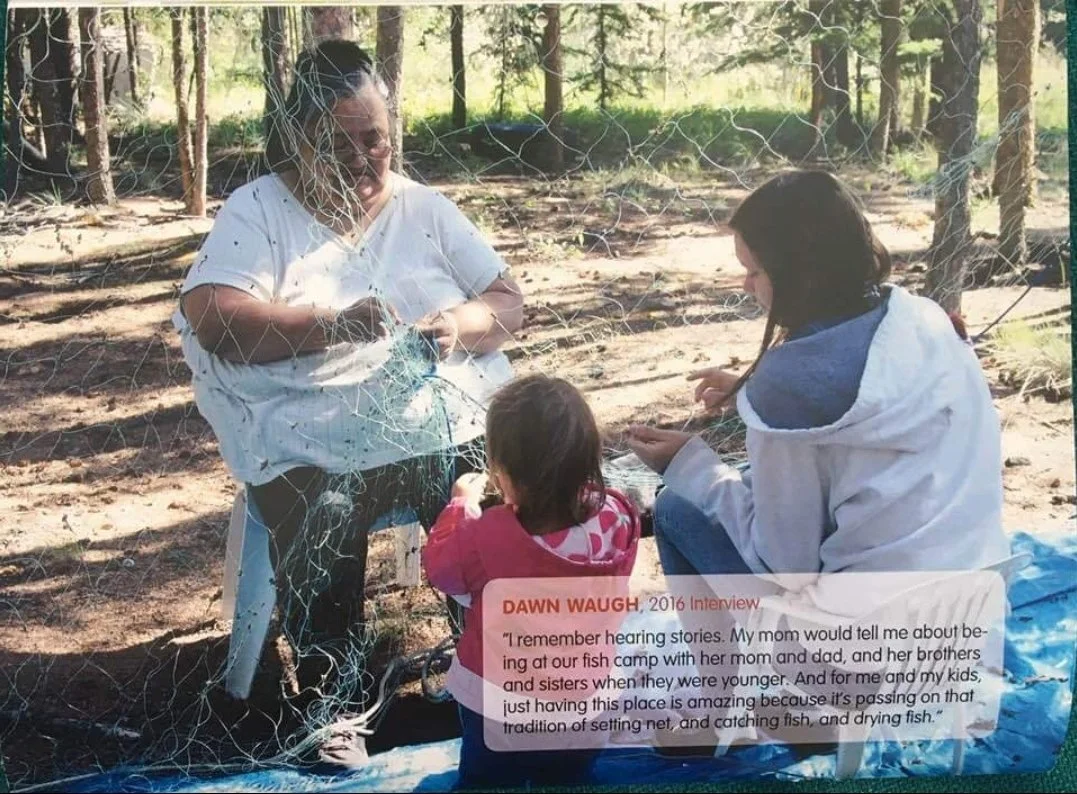
A lot of our children are experiencing racism in a space where they are supposed to feel safe. I know I experienced a lot of racism when attending Catholic schools here in the Yukon. The Yukon First Nations Education Directorate (YFNED) released a “Review of Systemic Racism in Yukon Education,” here are some key findings I wanted to share with you:
31.7 per cent of Yukon First Nation students drop out, compared to 12.7 per cent Non-Indigenous. (not so fun fact: I had a teacher in grade 8 tell me “well you can drop out at 16 years old.” anytime I was struggling in class.)
Indigenous students are often streamed into lower-level courses, limiting future options.
Indigenous languages and knowledge are treated like extras, not essentials.
Here are some questions I want to leave you with:
What if emotional competency was taught throughout life?
What if workplaces prioritized well-being and relationships?
What if the purpose of education was not to prepare children for the economy, but to prepare them for life?
What if lifelong learning became a pathway to becoming more whole?
What if success was measured not by grades and test scores but by a young person’s confidence, emotional well-being, cultural identity, sense of belonging, relationship with the Land, and the ability to contribute to their community?
Learn more about our Teachings here.
